

Moët & Chandon
From the vineyards to celebration – sharing the magic of Champagne with the world
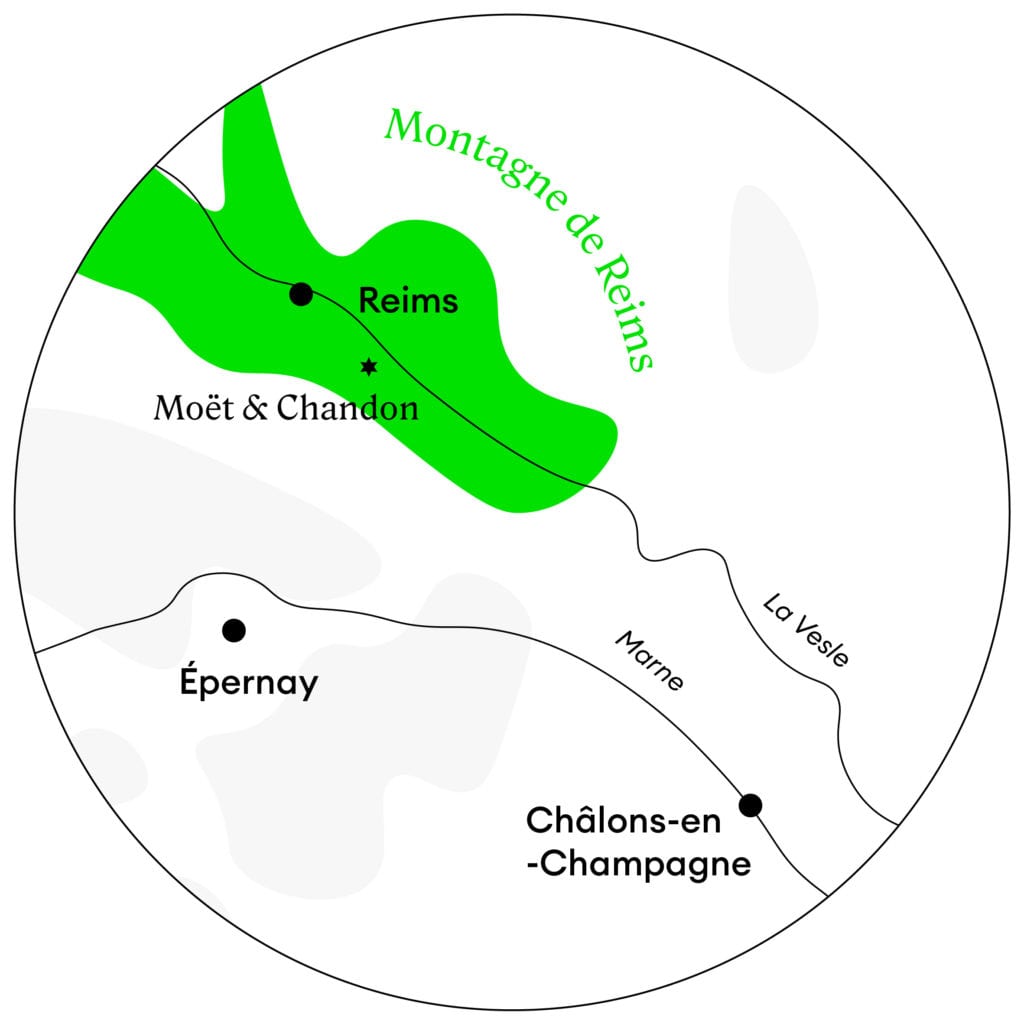
Region: Montagne de Reims, Côte des Blancs, Vallée de la Marne, Aube and Sézanne
Annual Production: approx. 62 million bottles
Size: 1000 Hectares
Grapes: Pinot Noir, Pinot Meunier & Chardonnay
The company history of Moët & Chandon dates back to 1743, when Claude Moët (1683–1760) began exporting wine from Champagne to Paris. In 1794, Jean-Remy Moët purchased the Hautvillers Abbey, where the monk Dom Pérignon had virtually invented champagne. Moët soon began exporting his wine cases to other European countries and the United States.
In 1832, Moët expanded the company name to "Chandon" as he handed over half of the business to his son Victor Moët and his son-in-law Pierre-Gabriel Chandon de Briailles.
In 1969, Moët & Chandon acquired the traditional Champagne house Ruinart, and in 1971, Mercier, a Champagne producer primarily active in the French market, was purchased. In the same year, a merger with Cognac producer Hennessy took place. In 1987, Moët Hennessy then merged with Louis Vuitton to form the luxury goods group LVMH (Louis Vuitton Moët Hennessy). The partner brought the Champagne house Veuve Clicquot into the corporate marriage. In the late 1990s, the small but exclusive Champagne house Krug was also acquired.
Today, Moët & Chandon is the market leader in Champagne sales. In 2007, the LVMH Group's total sales amounted to 62.2 million bottles, representing 18% of the total Champagne production, making it the undisputed market leader.
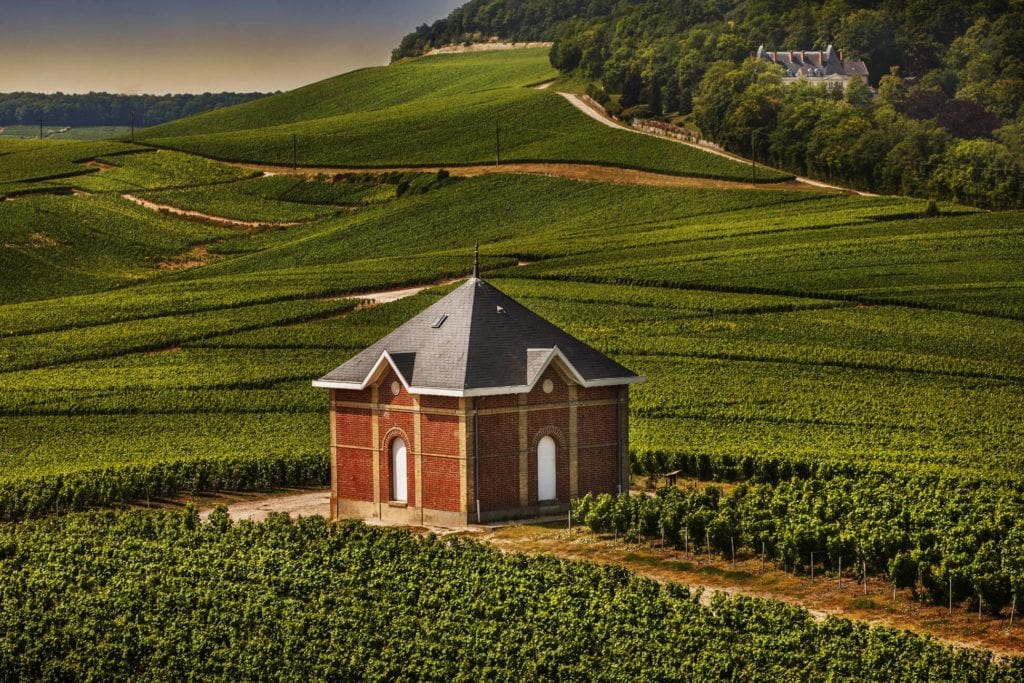
The Moët & Chandon winery owns approximately 1000 hectares of vineyards. Of these, about 50% are Grand Crus and about 25% are Premier Crus. The vineyards are spread across approximately 200 wine-growing communities, including 16 out of 17 communities with Grand Cru status and 25 communities with Premier Cru status.
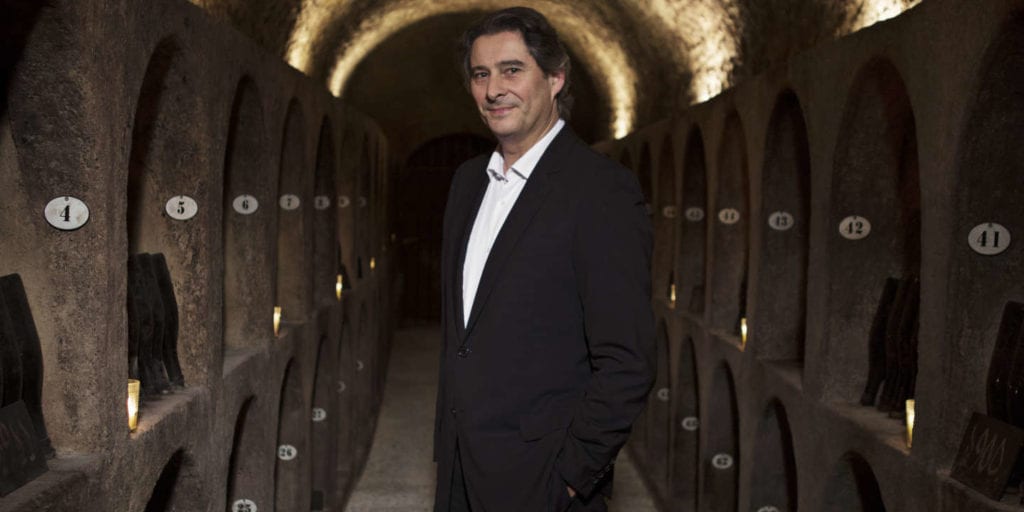
Moët & Chandon also owns the most extensive chalk cellars in Épernay. Their network extends for about 110 km and has its own "street names." The oldest storage areas in these cellars date back to the founding year of 1743.
This was also the era of Marquise de Pompadour, once mistress to King Louis XIV of France and one of the most influential women of her time, when it came to making Champagne the favored wine in European royal courts. Inspired by her love for Moët, she declared: "Champagne is the only wine in the world that makes every woman beautiful."